

#103: NOT THE SAME
This Week: Less Talky Talky, More Do’ey Do’ey

~5 min
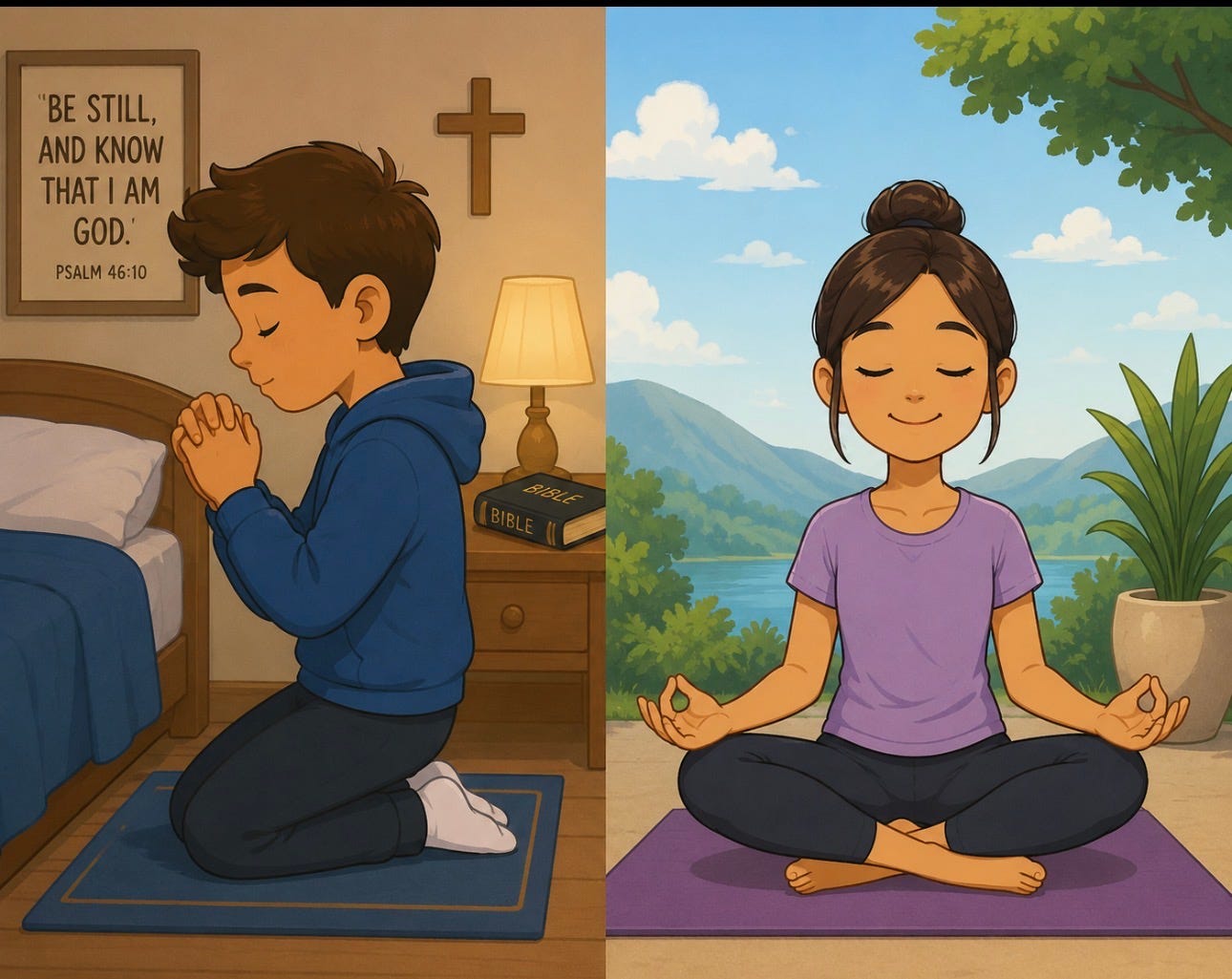
MEDITATION AND PRAYER ARE DIFFERENT PRACTICES. Meditation helps quiet my mind and bring me fully into the present. Prayer invites me into submission, communion, and conversation with God. I value both.
If you can find ten minutes, this guided meditation is a simple way to start your Saturday.
I’M ALMOST THROUGH STOLEN REVOLUTION: Betrayal and Hope in Modern Iran by Yeganeh Torbati and Bozorgmehr Sharafedin. It tells the story of how Iran’s hopeful 1979 revolution led by a broad coalition of clerics, leftists and secular intellectuals—was unfortunately captured by Ayatollah Ruhollah Khomeini’s fundamentalist faction. Iran transformed into an authoritarian clerical state that betrayed many of the revolution’s original ideals.
What I’ve Learned: Iranians did not take to the streets in 1979 asking for less freedom. They wanted freedom from the Shah, freedom from foreign interference (particularly the United States) and a government that reflected their faith and culture. The tragedy is that a revolution promising to make faith a moral restraint on power instead made faith the source of nearly unlimited power.
The recent death of Supreme Leader Ali Khamenei exposed the fragility of Iran’s leadership but also the durability of its governing system. Reformists possessed public offices and popular support; the Revolutionary Guard possessed weapons, intelligence networks, money and institutional control. When attacks turned political succession into a question of national survival, organized power mattered more than public sentiment which seems to have surprised onlookers who thought the regime would collapse.
I have little (no?) sympathy for the Iranian regime. The current war with America is an escalation of the proxy conflicts Iran’s dictatorship has sponsored across the Middle East for my entire life. They’ve had it coming. But this book helps explain the complexity of what is unfolding today:
Iranian citizens are not the same as its regime.
Opposition to the regime is not the same as domestic support for foreign attacks.
Removing Khamenei is not the same as dismantling the system that sustained him.
I have more to learn.
FIVE YEARS AGO, MY FRIEND FRANK GAVE ME Falling Upward: A Spirituality for the Two Halves of Life by Richard Rohr. It spent most of that time buried among other books on my bedside table. Maybe I’m now ready to receive 2nd half of life lessons? I recently began reading one chapter each morning and discovered this gem of a book. This passage particularly resonated with me:
Beauty or ugliness really is first of all in the eye of the beholder. Good people will mirror goodness in us, which is why we love them so much. Not-so-mature people will mirror their own unlived and confused life onto us, which is why they confuse and confound us so much, and why they are hard to love.
That passage captures Rohr’s larger argument: maturity changes not only what we pursue, but how we see ourselves and others.
We spend the first half of life building the “container”—our identity, career, relationships, and accomplishments. In the second half, our attention shifts toward what the container was meant to hold: stewardship, wisdom, integration and enduring impact. No one can skip ahead.
Maturity does not require abandoning ambition. It means becoming less concerned with proving what we can build and more discerning about whether we should build and why we are building it. This book made me think harder about what I’m doing, why I’m doing it and ultimately who it serves.
MY SAME FRIEND FRANK (2x NTL’er this week, Frank!) sent me this short 2017 Notre Dame commencement speech from Rev. Gregory J. Boyle on compassion and kinship for people on the margins of society. Boyle encouraged graduates to go toward the margins and to stand with the poor, powerless, voiceless, demonized, and readily discarded. Not to rescue them from a distance, but to recognize their shared humanity. He argued that healthy communities “stand in awe at what the poor have to carry rather than stand in judgment at how they carry it.” That strikes me as a challenge worth accepting. But, how?
I think many on the political left genuinely want to answer Father Boyle’s challenge. Where I disagree is on the solution. Too often the answer becomes taking from those who have rather than helping more people become creators, builders, owners, and contributors. There are too many takers in society and not enough givers. Frustratingly, so many of my friends are neither, they are sideline sitters.
Now that I’ve made some feel bad, maybe try this: Mentor one person who shows promise. Teach and encourage entrepreneurship. Celebrate those who work hard and take responsibility and accountability for where they are in life. Remind others that another person’s success is not their failure. Be intolerant of ignorance and incompetence. Don’t blame “corruption” when you lose. Applaud and help the men and women willing to start businesses, create jobs, run for office, coach little league teams, mentor a young employee, or invest in someone who simply needs a chance.
The easiest thing in the world is to criticize the people carrying the load. Maybe you can carry more?
Capitalism isn’t perfect because people aren’t perfect. But history suggests it has done more to create opportunity and lift people out of poverty than any other economic system. When paired with virtue, compassion, and personal responsibility, it becomes one of the greatest engines for answering Father Boyle’s challenge.
There is no such thing as equality, as I shared in #24, #28, #36 and #68. The goal isn’t to make everyone equal. The goal is to make sure more people have the opportunity to flourish.
MY FRIEND AJ suggested I watch Shane Parrish’s podcast with Dr. Gio Valiante, a psychologist who is recognized as one of the world’s top performance coaches. His roster is a who’s who of clients. I loved what he said about action*:
It’s in the doing, not in the thinking. One of the things I always say to people is, it really doesn’t matter what you say. It doesn’t matter what you feel. It doesn’t matter what you believe. It just matters what you do. Taking that step, that action step, that behavioral step is a huge problem for most people. John Dewey, the American philosopher, said, We don’t think our way into a pattern of living. We live our way into a pattern of thought.
It goes back to the question, how do people change?
Most people say they change the way they think. No, changing your mind is one way toward change. I believe you change what you did. And as you change your behavior, then you change your mind.
It doesn’t matter what you think or what you say, it’s just a matter of what you do.
What is one thing someone can change if they want to be better? Find out if the comfortable habit that’s holding them back, whether it’s their phone, whether it’s food, whether it’s the excuse you tell yourself, or it’s just one thing, change that, and then hold yourself accountable on a repeated basis for that one thing.
There’s an everydayness to excellence.
People often ask, how do you write a book? And what I say is, you sit down and write. You don’t wait for inspiration, you sit down every day, and on the days where nothing comes, you stay in your seat, you write about it, because you have to write through the bad days and eventually you get liberated. You develop a mastery mindset.
MY FRIEND EVAN LIKED NTL #102 AND SAID HE WANTED TO “KNOW MORE ABOUT YOUR MOM.”
We lost her a decade ago. She was intentional about raising her children differently. Not in a “we’re better than you” kind of way, but with the quiet confidence that can only come from above and from within. When everyone else went right, she was comfortable going left. Her destination was never firm, yet she knew exactly where she was taking us.
Perhaps her best lesson was in moments when we’d talk about what we wanted to do with our lives. After an appropriate amount of time, she’d jump in:
“Less talky-talky. More do-ey do-ey.”
EVERY JOB DESCRIPTION today should include this line: Lifelong learner who seeks to solve hard problems in partnership with others.
A WORD TO RANDOMLY USE THIS WEEK: Garrulous describes someone given to prosy, rambling, or tedious conversation—someone who is pointlessly or annoyingly talkative.
We all know someone garrulous. Send them today’s NTL with a kind note saying it made you think of them. Smile and enjoy the thought of them wondering why.
Faith improves my life. Here is a verse I like from the Bible:
“Do not merely listen to the word, and so deceive yourselves. Do what it says.”
A QUOTE WORTH READING:
“As you say, the thing is to rely only on God. The time will come when you will regard all this misery as a small price to pay for having been brought to that dependence. Meanwhile (don’t I know) the trouble is that relying on God has to begin all over again every day as if nothing had been done.”**
—C. S. Lewis, Letters of C. S. Lewis
~IT IS NEVER TOO LATE TO DENOUNCE SOCIALISM~
*I lightly edited the pod transcript.
**Thanks for this week’s quote, Josh.
Thanks for all the pictures of your NTL reading locales. Here are some standouts! Keep them coming. NTL pro tip: you might need a second camera to fully capture the content.

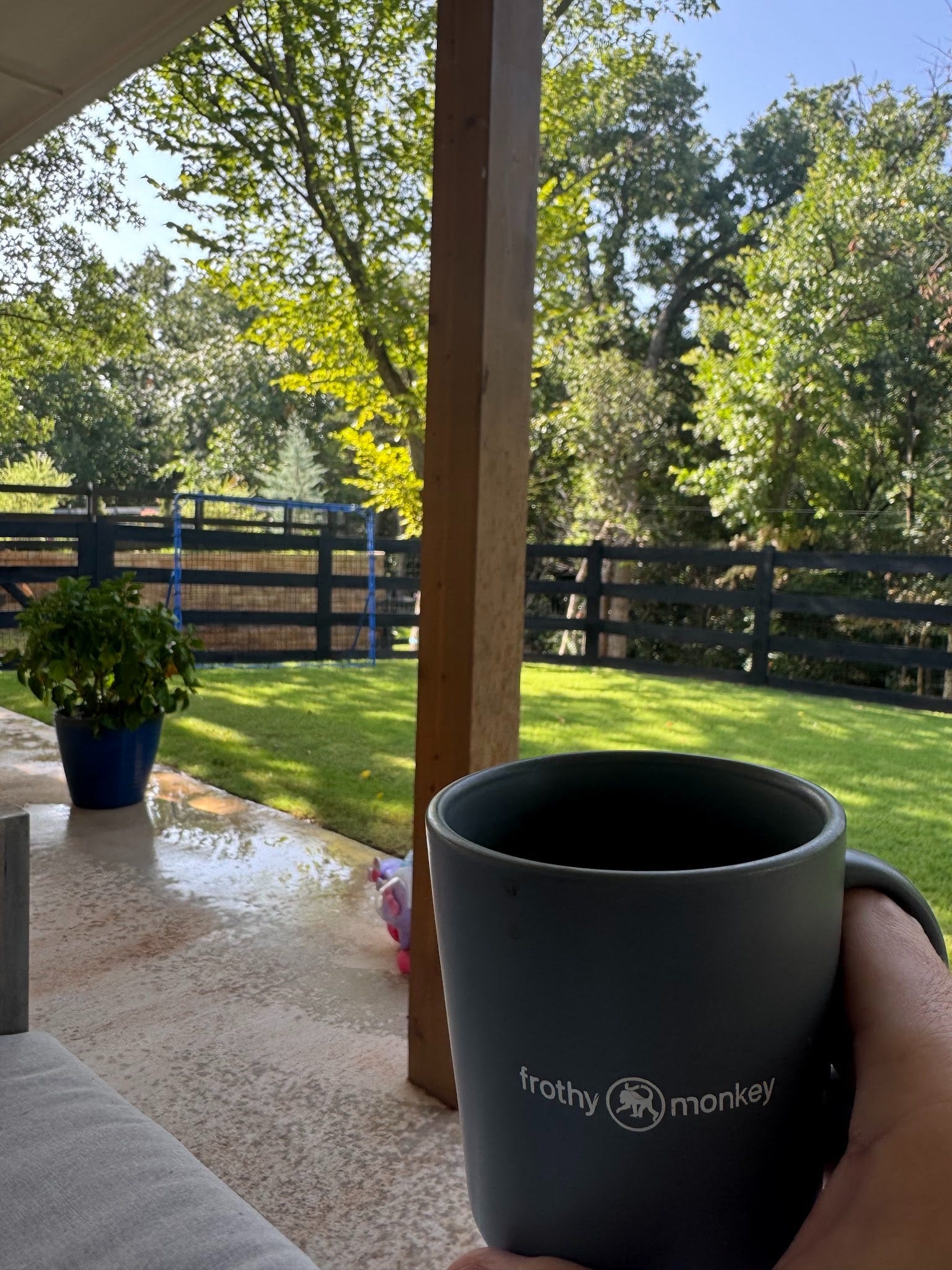
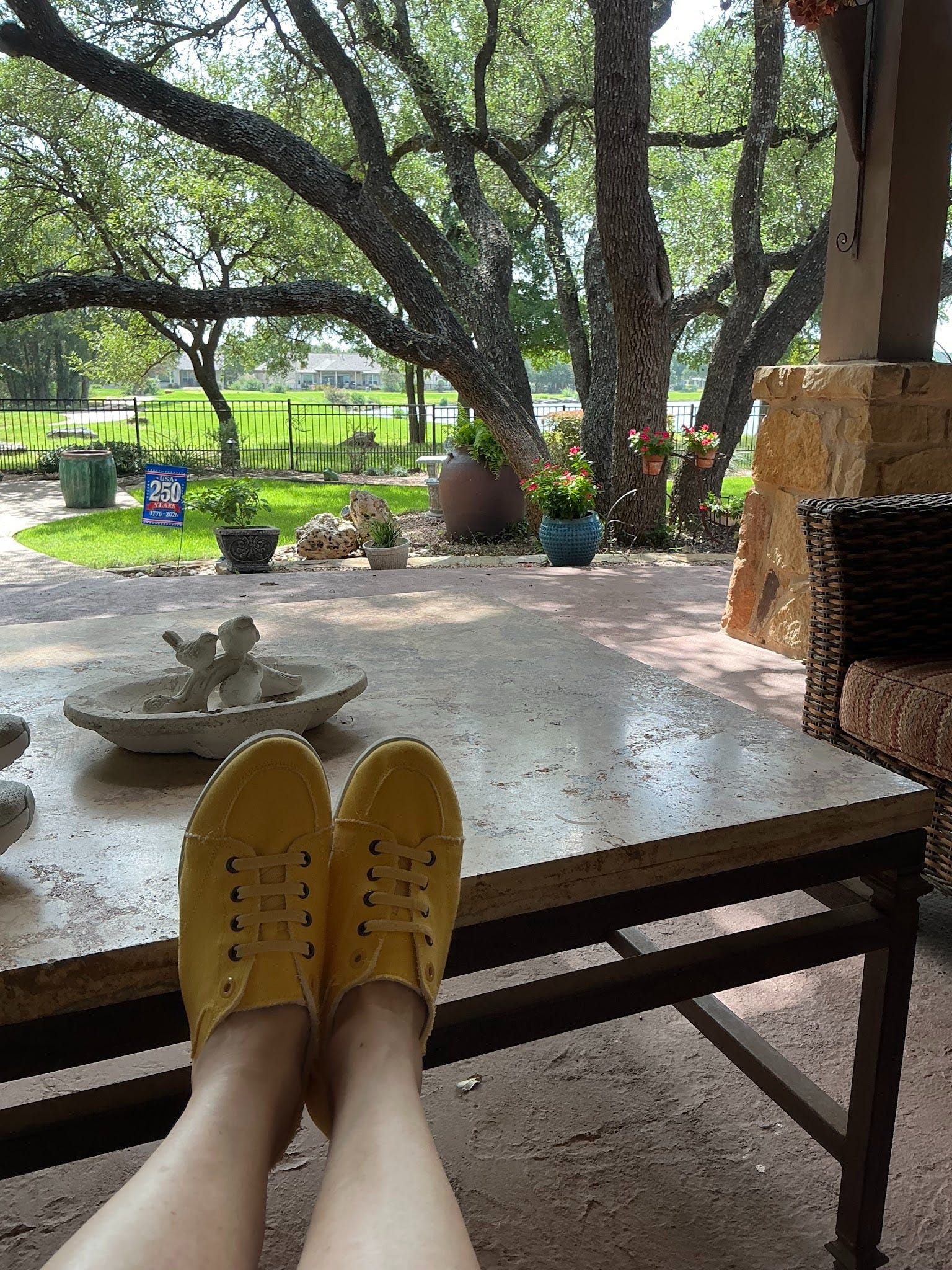



@renzistone33 on X, LinkedIn & Substack


Renzi, this episode of NTL took this reader down a path weaving a mental journey to connect the dots of spiritual, political, philosophical, theoretical, and theological ideas and back to the glue of inspirational.
Thank you Renzi! I appreciate you sharing your insights so freely. I also know it takes a lot of focus and time to clarify varied thoughts. I look forward to your future episodes.